

There is something that happens when you spend enough time around art. You stop just looking at it and start wondering what it would feel like to make it.
If you have ever scrolled through a gallery wall, admired a canvas print, or stood in front of a painting and thought "I wish I could do that," you are not alone. That feeling is more common than most people admit. And here is the thing: acting on it is a lot easier than you probably think.
This guide is for anyone who has always wanted to try painting but did not know where to begin. No art school required. No expensive studio setup. No prior experience needed.
Why Most People Never Start
The number one reason people never pick up a brush is not a lack of talent. It is a lack of direction.
Walk into any art supply store and the sheer volume of choices is enough to send most people straight back out the door. Which paper do you need? What kind of brushes? Do you use gouache or watercolor? How do you even hold a brush properly?
The questions pile up fast, and before long, the whole idea starts to feel like a project that requires months of research before you can even make your first mark. So most people just... do not start. The idea stays in the back of their mind as something they will get to eventually.
That "eventually" never comes.
The fix is not motivation. It is removing the friction. When everything you need is already in one place and someone has already figured out the setup for you, starting becomes almost effortless.
Starting Small Is Not Settling
There is a persistent myth that serious artists work on large canvases with professional-grade supplies. The reality is that some of the most joyful, meaningful work happens small and simple.
Watercolor is one of the best mediums for beginners because it is forgiving, portable, and produces beautiful results even when you are just learning. It does not require a dedicated studio. You do not need to wait for paint to dry for hours. You can sit at your kitchen table, on your balcony, or in a coffee shop and actually paint.
The key is having a kit that is designed for this kind of casual, accessible creative practice. Not a professional setup, but something thoughtfully put together for people who are starting out and want the experience to feel enjoyable rather than overwhelming.
What to Look for in a Beginner Kit
If you are shopping for your first art kit, there are a few things worth keeping in mind.
First, portability matters more than you expect. A kit that is easy to take with you is a kit you will actually use. One that lives in a drawer because it is too bulky or messy to set up regularly will not help you build a habit.
Second, look for something that includes guidance. Blank paper is intimidating. Kits that come with workbooks, pre-sketched outlines, or step-by-step guidance take the pressure off the part that most beginners find hardest: figuring out what to paint.
Third, quality over quantity. A smaller set of quality paints will serve you better than a massive set of cheap ones. You want colors that actually look the way they are supposed to look when they hit the paper.
One brand that has built a strong reputation in this space is Tobios Kits. Their watercolor sets are designed specifically for people who are new to painting, with everything bundled together so you can start immediately. What makes them stand out is the emphasis on reducing anxiety around the creative process. Their guided workbooks are particularly useful for beginners because they remove the blank page problem entirely. The pre-sketched designs let you focus on the actual painting rather than worrying about whether your drawing looks right.
Building the Habit
Getting the right supplies is step one. Actually building a painting habit is step two, and it is where most people quietly abandon their new hobby.
The secret is keeping your expectations low in the beginning. Not low in a discouraging way, but in a practical, sustainable way. You do not need to produce something frame-worthy every session. You need to enjoy the process enough to come back to it.
Set aside fifteen to twenty minutes a few times a week. Keep your kit somewhere visible so it is easy to pick up without thinking about it. Treat each session as something you are doing for yourself, not a performance, not a product.
Over time, the results will follow. But the results are not actually the point. The point is what happens to your mind and your mood when you spend time making something with your hands. That effect is almost immediate, and it is why so many people who start painting as a stress-relief activity end up becoming genuinely passionate about it.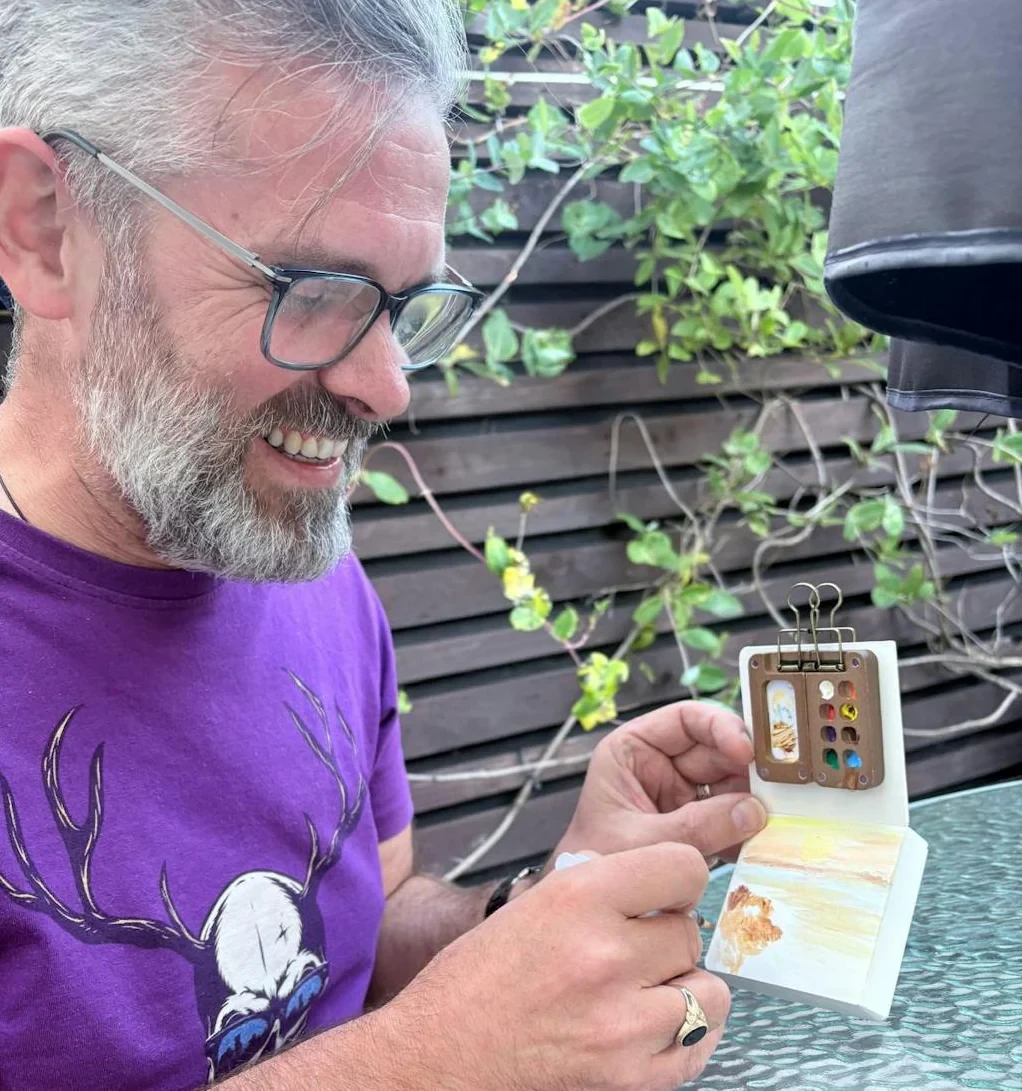
Art Is for Everyone
One of the most common things people say when they discover watercolor painting as an adult is that they wish they had started sooner. Not because they regret the years they did not paint, but because they realize there was never anything stopping them in the first place.
Art is not gated behind talent. It is not reserved for people who went to school for it or grew up with a natural gift. It is a skill that develops with practice, and it is an experience that anyone can enjoy from the very first session, regardless of what ends up on the paper.
Whether you are looking for a new way to unwind after work, a hobby you can take with you when you travel, or simply something creative that is entirely your own, painting is worth trying. The barrier to entry has never been lower, and the kits available today make it genuinely easy to begin.
You do not need talent. You do not need a studio. You just need to start.